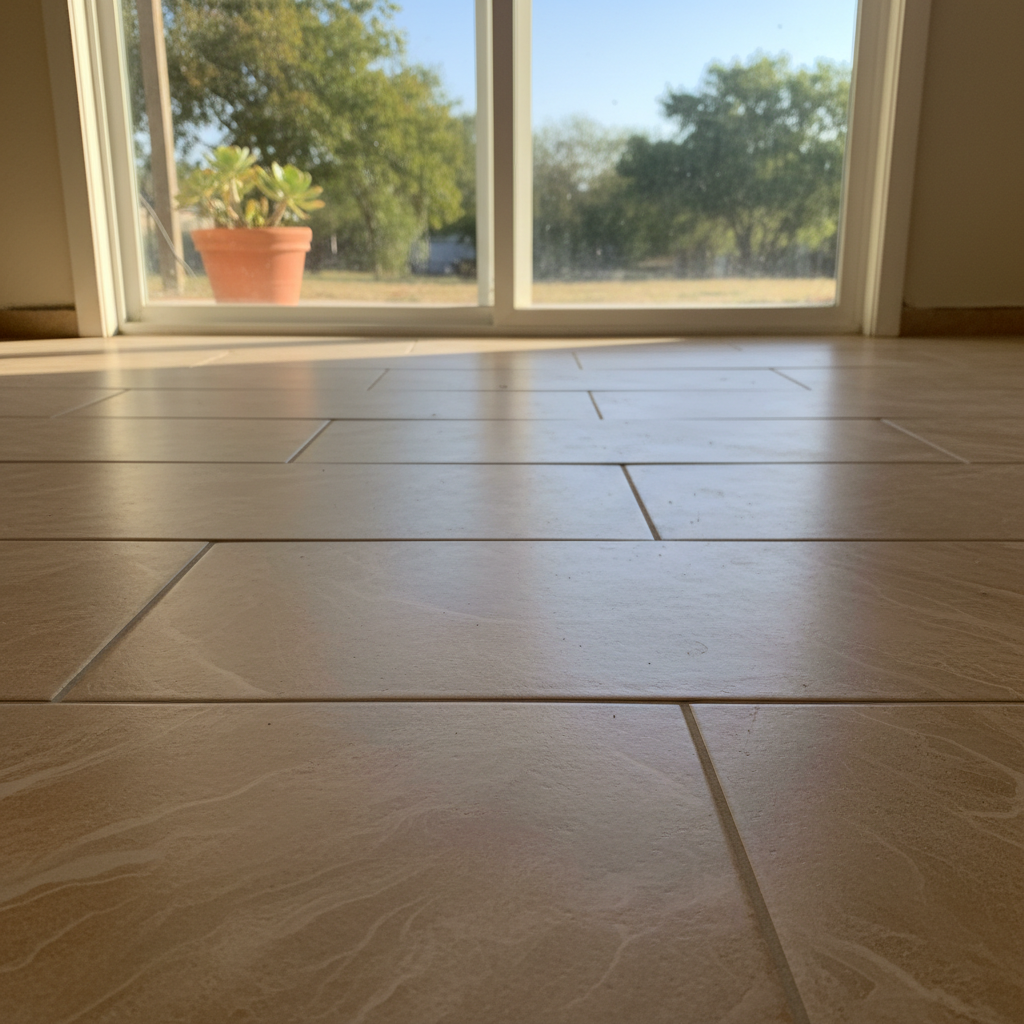
Is tile flooring a good choice for San Antonio homes?
Absolutely, it's one of the best. Look, our San Antonio climate is no secret – hot, humid summers and sometimes surprisingly chilly, damp winters. Tile, especially porcelain or ceramic, handles these temperature swings and moisture levels like a champ. It doesn't warp or buckle like some other materials can when the humidity spikes or drops. Plus, it's cool underfoot, which is a big deal when it's 100 degrees outside and your AC is working overtime. You'll find tile everywhere here, from historic homes in King William to new builds out in Stone Oak, and there's a good reason for that.
What's the difference between ceramic and porcelain tile? Which is better?
This is a question I get almost daily. Both are made from clay and fired in a kiln, but there are key differences. Porcelain is generally denser, less porous, and more durable than ceramic. It's fired at higher temperatures and often made from finer, purer clays. This means porcelain is more resistant to chips, scratches, and water absorption. Ceramic is a bit softer, easier to cut, and usually more budget-friendly. For high-traffic areas, kitchens, bathrooms, or outdoors, I'd lean towards porcelain every time. For lighter use areas or if you're on a tighter budget, ceramic can be a perfectly fine option. Neither is inherently "better" in every situation; it just depends on where it's going and what kind of abuse it's going to take.
How long does tile flooring last?
If it's installed right and you take care of it, tile can last for decades. Seriously, I've seen original tile floors in some of San Antonio's older homes that are still looking good after 50, 60, even 70 years. The tile itself is incredibly durable. What often wears out first is the grout, especially in high-traffic areas or if it wasn't sealed properly. But even then, you can regrout a floor and give it a whole new lease on life without replacing the tiles. It's a long-term investment, for sure.
Is tile flooring slippery, especially when wet?
Some tiles can be, yes, but it's not a universal truth. The slipperiness of a tile depends a lot on its finish and texture. Polished or high-gloss tiles will naturally be slicker, especially when wet. Textured or matte-finish tiles offer more grip. When you're picking out tile, ask about its Coefficient of Friction (COF) rating. For areas like bathrooms, kitchens, or outdoor patios, you want a higher COF to reduce slip hazards. There are also anti-slip treatments you can apply, but it's always best to start with a tile that has good natural grip for those wet-prone spots.
What kind of maintenance does tile flooring require?
This is where tile really shines. It's super low maintenance. Regular sweeping or vacuuming to get rid of dirt and grit is key, because that stuff can act like sandpaper and dull your finish over time. Then, a damp mop with a mild, pH-neutral cleaner is usually all you need. Avoid harsh chemicals or abrasive scrubbers, especially on your grout. Speaking of grout, that's the one part that needs a little more attention. You should seal your grout lines periodically – every 1-3 years depending on traffic and the type of sealant – to protect them from stains and moisture. That's about it. No waxing, no polishing, just simple cleaning.
Can I install tile over my existing flooring?
Sometimes, but it's not always the best idea. You can often tile over existing concrete or a well-secured, level subfloor. However, you absolutely cannot tile over carpet, and usually not over laminate or floating vinyl plank. If you've got old vinyl sheet or linoleum, it might be possible if it's perfectly flat and well-adhered, but you still need to consider the added height. The biggest concern is always the subfloor's condition and stability. Any movement or unevenness underneath will eventually lead to cracked tiles or grout. We at San Antonio Hardwood Floor Solutions always recommend removing old flooring and properly preparing the subfloor. It's more work upfront, but it prevents headaches and costly repairs down the road.
What's the deal with grout lines? How wide should they be?
Grout lines are more important than most folks realize. They're not just for looks; they accommodate slight variations in tile size and allow for minor movement without cracking the tile itself. The width depends on the tile type, size, and the look you're going for. For rectified tiles (tiles with very precise, straight edges), you can go with narrower grout lines, sometimes as small as 1/16th of an inch. For non-rectified or handmade tiles, you'll need wider lines, maybe 1/8th to 1/4th of an inch, to account for those natural inconsistencies. Narrower lines give a more seamless, modern look, while wider lines can create a more traditional or rustic feel. Just make sure whatever width you choose, it's consistent across the whole floor – that's a sign of a professional installation.