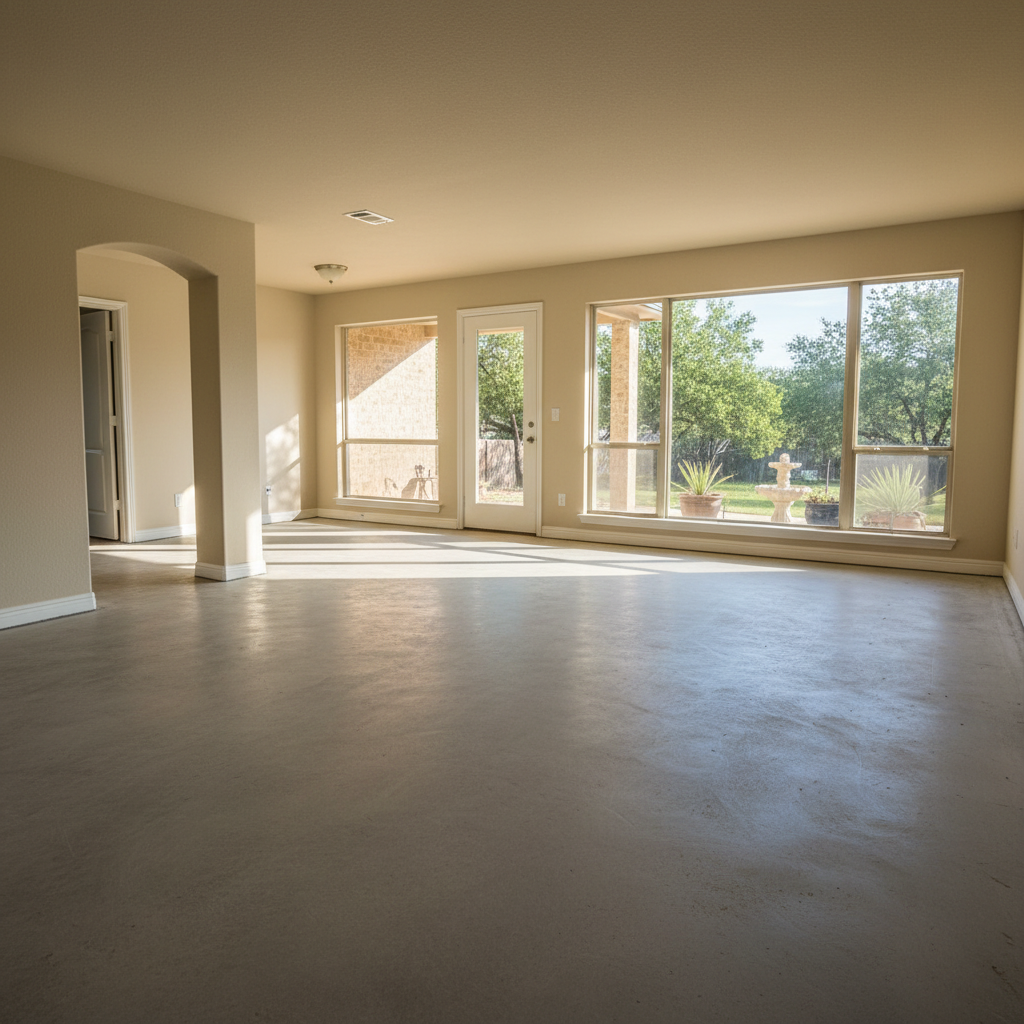
So, you're ready for new floors. That's exciting! But before you start picking out colors and styles, you've got to deal with the old stuff. Floor removal isn't the glamorous part of a renovation, but it's absolutely critical to get right. Mess it up, and your beautiful new floors won't look so good for long. Here's what I tell folks in San Antonio when they're planning to rip out their old flooring.
Timeline: How Long Does This Really Take?
This is probably the first question everyone asks, and it's a good one. There's no single answer because it depends on a few things: what kind of flooring you have, how big the area is, and what's underneath it. Generally, for a typical 1,500-2,000 square foot home:
- Carpet: This is usually the quickest. A crew can often pull up carpet and padding from an entire house in a day, sometimes even half a day. It's mostly just cutting and rolling.
- Laminate or Engineered Wood (Floating): If it's a floating floor, meaning it's not glued down, it can go pretty fast too. Maybe a day or two for a decent-sized area.
- Glued-Down Wood or Engineered: Now we're talking more effort. That adhesive can be stubborn. You're probably looking at 2-3 days, sometimes more, especially if it's a really strong, old glue.
- Tile: This is usually the longest and most labor-intensive. Depending on the size of the tiles, the mortar, and if there's a cement board underlayment, it could take 3-5 days for a substantial area. Sometimes longer if it's a particularly tough install. We see a lot of old, thick mortar beds in some of the older homes around Alamo Heights, and those really slow things down.
Keep in mind, these timelines are just for the removal itself. This doesn't include any subfloor repairs, leveling, or the actual installation of your new floor. Always build in a buffer, because you never know what you'll find once the old floor is up.
What to Expect During the Process
Let's be blunt: it's going to be dusty, noisy, and a bit chaotic. There's no way around it. Even with the best dust mitigation, fine particles get everywhere. Here's the rundown:
- Noise: Jackhammers, pry bars, scrapers, grinders – it's not a quiet job. Warn your neighbors if you're close by.
- Dust: We use industrial vacuums and plastic sheeting, but some dust will escape. It's just the nature of breaking up old materials.
- Debris: There will be piles of old flooring, padding, and subfloor pieces. A good contractor will have a plan for hauling this away. Make sure that's included in your quote.
- Exposed Subfloor: Once the old floor is gone, you'll see your subfloor. This is where we check for damage, unevenness, or moisture issues. Don't be surprised if some repairs are needed here. It's common, especially in older homes or if there was a leak you didn't know about.
How to Prepare Your Home
Your preparation makes a huge difference in how smoothly things go. Don't skip these steps:
- Clear Everything Out: I mean *everything*. Furniture, rugs, wall hangings, even things in closets that share a wall with the work area. The less stuff we have to move or protect, the faster and safer the job.
- Protect Valuables: Even with plastic sheeting, fine dust can get into electronics or delicate items. Move them to another room or cover them completely.
- Turn Off HVAC: If possible, turn off your HVAC system during the dustiest parts of the removal to prevent dust from circulating through your ducts. Change your filters afterward, too.
- Plan for Pets and Kids: This isn't a safe environment for little ones or furry friends. Arrange for them to be elsewhere during the workday.
- Access: Make sure there's a clear path for our crew to bring in equipment and haul out debris.
Questions to Ask Before You Sign
You're investing a lot, so ask smart questions. Don't be shy. Here's what I'd want to know if I were in your shoes:
- What's included in the removal cost? Does it cover debris hauling and disposal? Some contractors charge extra for this.
- How do you handle dust containment? What specific measures do you take?
- What's your plan for subfloor inspection and repair? What's the process if you find damage, and how will it affect the cost and timeline?
- Are you licensed and insured? Always, always ask for proof. For San Antonio Hardwood Floor Solutions, we're fully covered, and you should expect that from anyone working in your home.
- What's the estimated timeline for *just* the removal? Get a clear expectation for this phase.
- Will you protect adjacent areas? How do you ensure my walls, cabinets, and other finishes aren't damaged during the process?
- Who is doing the work? Is it your employees or subcontractors? This can affect accountability.
Getting new floors is a big deal, and a clean, well-prepared subfloor is the foundation of a beautiful, long-lasting installation. Do your homework, ask the right questions, and you'll be much happier with the end result. We've seen it all, and taking the time upfront always pays off.