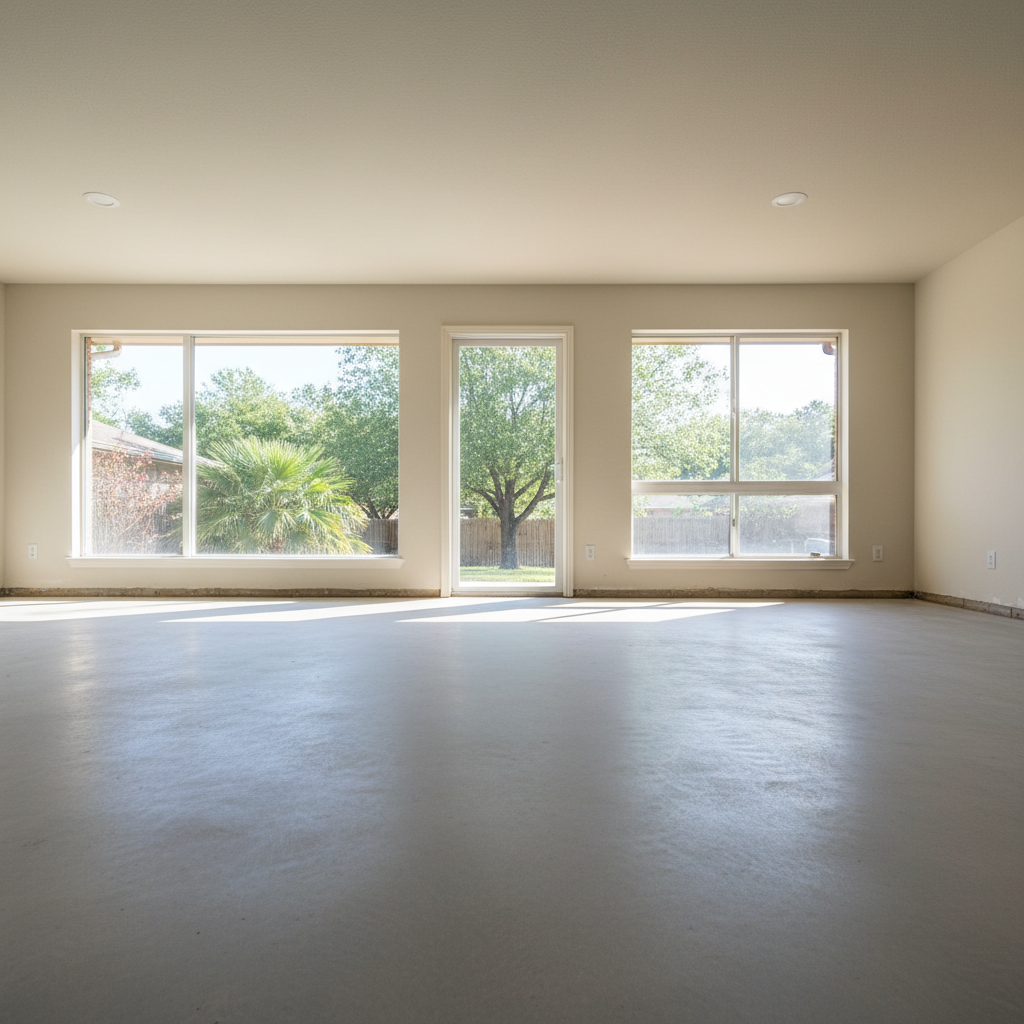
So, you've just had your old flooring torn out, maybe some nasty carpet or cracked tile. You're looking at a clean slate, probably a bare subfloor, and thinking about what comes next. But hold on a second – that subfloor, whether it's concrete or plywood, needs some love and attention now if you want your next floor to last. You can't just slap new stuff down and expect it to be perfect forever, especially not here in San Antonio.
Extending the Life of Your Subfloor Post-Removal
Think of your subfloor as the foundation for your new floor. If it's not in good shape, nothing you put on top will perform its best or last as long as it should. The biggest thing you can do to extend its life, especially in our South Texas climate, is to control moisture. We get some serious humidity swings, from dry spells to those sudden, torrential downpours. Concrete slabs, especially, can wick up moisture from the ground if not properly sealed underneath, and plywood can swell and warp.
If you've got a concrete slab, and you're not putting down a moisture-impervious floor like tile, you might want to consider a moisture barrier or sealer. This isn't just for new builds; it's a smart move after an old floor comes up, especially if you saw any signs of moisture damage on the old stuff. For plywood, keep the area dry. If you've had a leak, make sure that subfloor is bone dry and any damaged sections are replaced before anything else happens. Proper ventilation in crawl spaces also helps immensely.
Regular Maintenance: What You Need to Do
Okay, so you've prepped it, maybe even put down a new floor. What's the ongoing deal? It's pretty straightforward, honestly. The main goal is to prevent moisture from ever reaching that subfloor.
- Clean up spills immediately: This is a no-brainer, but people get lazy. A spilled drink left for hours can seep through grout lines or even tiny gaps in a wood floor and start causing trouble underneath.
- Check for leaks: Periodically inspect around toilets, sinks, dishwashers, and refrigerators. Even a slow drip can cause significant damage over time. You might not see it on the surface until it's too late.
- Maintain indoor humidity: In San Antonio, we run the AC a lot, which helps with humidity. But if you've got a basement or a particularly damp area, a dehumidifier can be a lifesaver for your subfloor and the floor above it.
- Protect from heavy impacts: Dropping something really heavy can crack a slab or dent plywood, creating weak spots. Use furniture pads and be careful when moving appliances.
These simple steps go a long way. It's about being proactive, not reactive.
Warning Signs of Problems
Your floor will tell you when something's wrong, you just need to know what to listen for. Here are some red flags that could mean trouble for your subfloor:
- Cupping or Crowning: If your hardwood planks start to curl up at the edges (cupping) or in the middle (crowning), that's almost always a moisture issue.
- Grout Cracks or Loose Tiles: Widespread cracking in your tile grout, or tiles that sound hollow or start to pop up, can indicate subfloor movement or moisture.
- Soft Spots: If you walk across your floor and feel a spongy or soft area, especially on a second story with a plywood subfloor, you've got a problem. This often means water damage or rot.
- Musty Odors: A persistent musty or mildew smell, particularly after rain, is a huge indicator of moisture trapped beneath your flooring.
- Visible Stains or Discoloration: Dark spots or discoloration on your flooring, especially near walls or appliances, scream water damage.
Don't ignore these. A small issue caught early is a much cheaper fix than a full subfloor replacement.
When to Call a Professional
Look, I'm all about DIY when it makes sense, but some things are best left to the pros. When it comes to your subfloor, if you see any of those warning signs, or if you're not confident in tackling a repair yourself, it's time to call someone like us at San Antonio Hardwood Floor Solutions. We've seen it all, from minor water damage to full-blown structural issues caused by years of neglect.
You should definitely call a professional if:
- You've identified a significant leak and the subfloor is visibly damaged or saturated.
- You have widespread soft spots or noticeable movement in your floor.
- You're dealing with persistent musty smells that don't go away with cleaning.
- You're planning a new floor installation and suspect your subfloor isn't level or sound enough.
- You're seeing cracks in your concrete slab that extend across a large area or seem to be growing.
Getting an expert opinion early can save you a ton of headaches and money down the road. We can assess the damage, identify the root cause, and recommend the right course of action to make sure your home's foundation, literally, is solid for years to come.