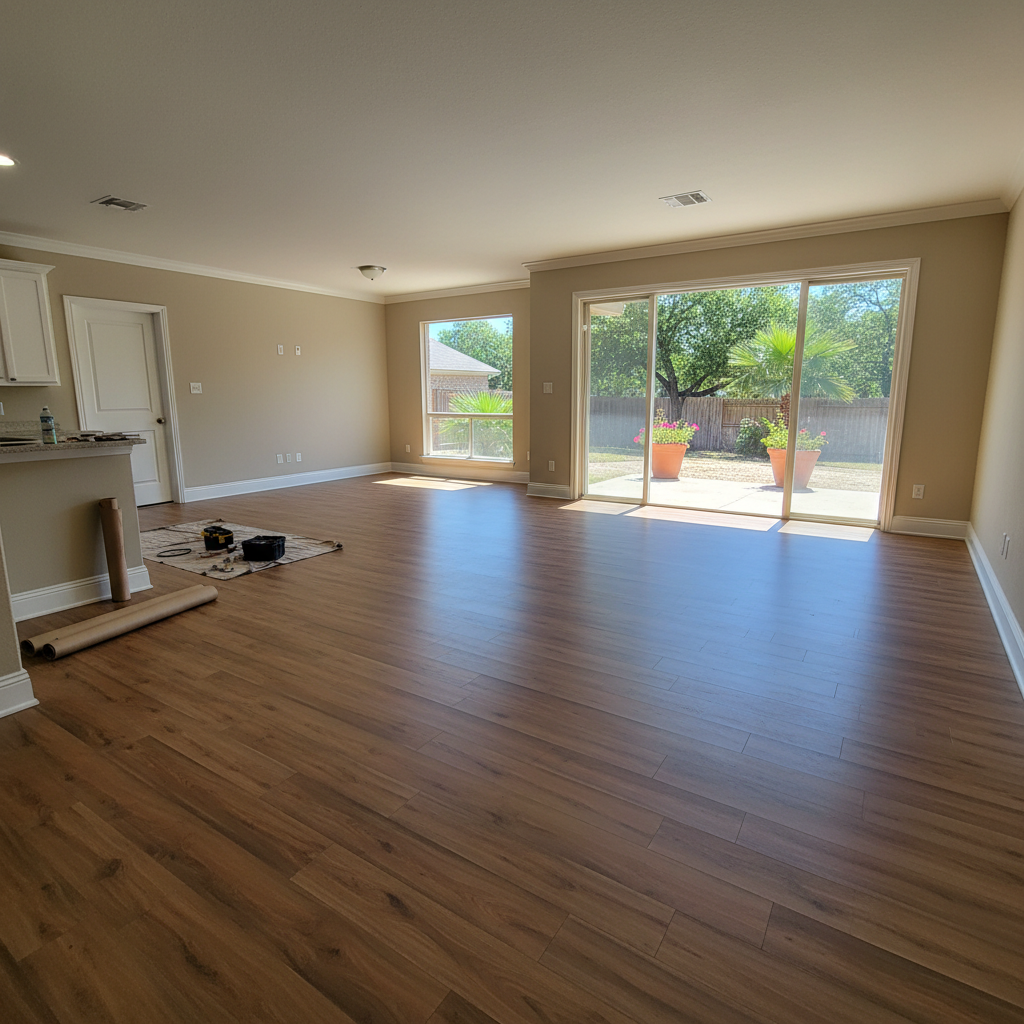
Looking for someone to handle your new floors? It’s a big decision, and frankly, there are a lot of folks out there who talk a good game but can’t deliver. I’ve been in this business a long time, right here in San Antonio, and I’ve seen it all. You want your floors done right, and you don’t want headaches. So, let’s talk about how to find a good, reliable flooring contractor.
What Questions Should You Ask a Potential Contractor?
Don’t be shy. This is your home, your money. You need to get straight answers. Here are some questions I’d hit them with:
- “How long have you been doing flooring work specifically?” Not just general construction, but flooring. It takes specific skills.
- “Can you provide references from recent jobs, ideally within the last six months?” And then actually call them. Ask about communication, timeliness, and if they’d hire them again.
- “Are you licensed and insured?” This isn’t optional. You need to know they’re covered if something goes wrong.
- “Who will actually be doing the work? Your employees or subcontractors?” There’s nothing wrong with subs, but you want to know who’s accountable.
- “What’s your process for handling unexpected issues?” Sometimes you pull up old carpet and find a subfloor problem. How do they deal with that? What’s the communication plan?
- “What’s the warranty on your labor?” Most materials come with a manufacturer's warranty, but you need to know they stand behind their installation.
- “How do you protect my home during the project?” Dust control, protecting walls, moving furniture – these are basic courtesies.
What to Look For in a Quote
A quote isn't just a number. It's a detailed breakdown of what you're paying for. A good quote should be clear, comprehensive, and leave no room for guesswork. Here’s what I expect to see:
- Detailed Scope of Work: It should clearly state what’s included. Is it just installation? Does it include old floor removal and disposal? Baseboard removal and reinstallation? Furniture moving? Don’t assume anything.
- Material Specifications: The exact type, brand, and color of flooring. For example, if you’re getting engineered hardwood, it should specify the thickness, wear layer, and species.
- Quantities: How many square feet of flooring, linear feet of trim, etc.
- Itemized Costs: Break down materials, labor, demolition, subfloor prep, transitions, and any other charges. A single lump sum for “flooring” isn't good enough.
- Payment Schedule: A clear plan for payments. Often, it's a deposit upfront, then progress payments, and a final payment upon completion and your satisfaction. Be wary of anyone asking for 50% or more upfront, especially if it’s a small job.
- Timeline: An estimated start and completion date.
- Warranty Information: What’s covered and for how long.
Compare apples to apples. If one quote is significantly lower, find out why. They might be cutting corners on materials, labor, or not including everything you need.
Red Flags You Can’t Ignore
Trust your gut. If something feels off, it probably is. Here are some big red flags:
- No License or Insurance: This is non-negotiable. Don’t even consider them.
- Cash-Only Deals: While some small businesses prefer cash, if it’s the *only* option and they’re pushing it hard, it could be a sign they’re trying to avoid taxes or operate off the books.
- High-Pressure Sales Tactics: “Sign today or the price goes up!” A reputable contractor gives you time to think.
- Vague or Incomplete Quotes: As I said, if it’s not detailed, run.
- Demanding Full Payment Upfront: A reasonable deposit is fine, but paying for the whole job before it starts is a huge risk.
- No References or Portfolio: Everyone starts somewhere, but a professional should have something to show you.
- Bad Communication: If they’re hard to get ahold of before you even hire them, imagine how it’ll be during the project.
- Doesn't seem to know local conditions: We deal with expansive clay soils here in San Antonio, especially in areas like Alamo Ranch or Stone Oak. A good flooring pro understands how that affects subfloors and moisture, and they'll talk about it. If they don't mention anything specific to our climate or soil, they might not be as experienced locally as they claim.
How to Verify They’re Legitimate
You’ve got questions, you’ve got a quote, now verify. It's not hard:
- Check Licenses and Insurance: Ask for proof. Call their insurance company to verify coverage. For licensing, you might check with the City of San Antonio's Development Services Department, though many flooring contractors operate under general business licenses rather than specific trade licenses like plumbers or electricians.
- Call References: Don’t skip this. Ask specific questions about the work, their professionalism, and if they finished on time and budget.
- Look Them Up Online: Check Google reviews, Yelp, and the Better Business Bureau. A few negative reviews aren’t always a deal-breaker, but a pattern of complaints is.
- Visit a Past Job (if possible): If they offer, take them up on it. Seeing their work in person tells you a lot.
- Check Their Physical Address: A real business has a real address, not just a P.O. box or a residential address if they claim to have a showroom or office.
Finding the right contractor takes a little legwork, but it’s worth it for peace of mind and a job well done. Here at San Antonio Hardwood Floor Solutions, we believe in transparency and quality, and we encourage you to ask us these very questions. You deserve a professional who stands by their work.