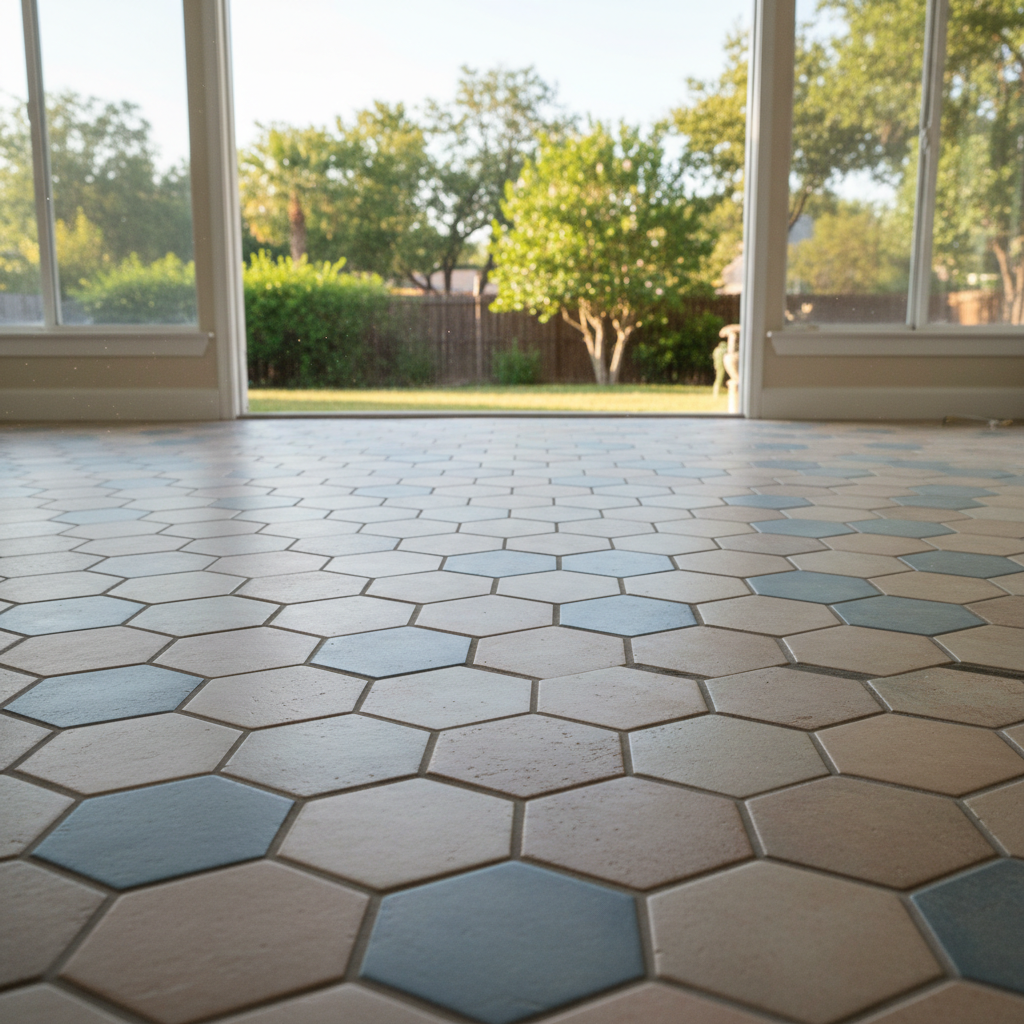
So, you're staring at that old floor or shower wall, maybe thinking, 'I could totally tile that myself.' Believe me, I hear that a lot. And you know what? Sometimes, you absolutely can pull it off. Other times, though, you're really better off calling in the pros. Let's dig into what you need to know about a tile project, from the very beginning to the finished product, right here in San Antonio.
Before You Even Buy a Tile
First things first: planning. This isn't like painting a wall where you just grab a can and get to it. You've really got to consider the space. Is it a tiny bathroom floor? A kitchen backsplash? Or are we talking about an entire living area? The sheer size and how complicated the job is will definitely tell you how much of a DIY project it's going to be.
Next up, pick your tile. This is where a lot of people get completely overwhelmed. You've got ceramic, porcelain, natural stone, mosaic... Each one has its own quirks, you know? Porcelain is super tough and perfect for high-traffic spots, or even outside if it's made for that. Ceramic is a bit softer, usually cheaper, and works well for walls or floors that don't see as much action. Natural stone? Gorgeous, but it needs sealing and a bit more TLC. So, think about your lifestyle. Do you have kids and pets tearing through the house? You'll definitely want something durable.
Now, let's talk subfloor. This part is absolutely critical, especially here in San Antonio. Our expansive clay soils mean foundations can shift, and if your subfloor isn't perfectly level and stable, your tile project is basically sunk before you even start. You can't just slap tile over bouncy plywood or a cracked concrete slab. You'll need to figure out if your subfloor needs shoring up, a cement board underlayment, or maybe even a self-leveling compound. This is often where I see DIYers get totally in over their heads. If you're not sure about your subfloor, or if it looks like a roller coaster ride, that's a definite 'call a pro' moment. A bad subfloor means cracked grout and popped tiles down the road, and honestly, who wants that headache?
During the Installation: DIY vs. Pro
Alright, you've got your tile, your subfloor is solid, and you're ready to roll. What can you realistically tackle yourself?
- Small Backsplashes: If it's a simple, rectangular backsplash with just a few cuts, you can probably handle this. Grab a decent tile cutter (manual or wet saw, depending on your tile choice), learn how to spread thinset evenly, and just take your time.
- Small Bathroom Floors (Simple Layouts): A small, square or rectangular bathroom floor without too many weird angles or tricky toilet flange cuts can be a good DIY project. Again, patience is your best friend here.
When should you absolutely call a pro, like San Antonio Hardwood Floor Solutions?
- Large Areas: A whole kitchen or living room? That's a ton of tile, a ton of thinset, and a whole lot of kneeling. Keeping grout lines consistent and the surface perfectly level over a big area is incredibly tough for someone who doesn't do it every day.
- Complex Cuts and Patterns: If you're going for a herringbone pattern, intricate mosaics, or have lots of odd-shaped walls, doorways, or curved showers, you're going to need specialized tools and some serious skill.
- Showers and Wet Areas: This is non-negotiable. Waterproofing a shower correctly is both an art and a science. If you mess this up, you're looking at leaks, mold, and thousands of dollars in repairs. Seriously, don't risk it.
- Uneven Subfloors: Like I said earlier, if your subfloor needs major leveling or repair, that's a job for a professional.
- Large Format Tiles: Those big, beautiful 24x24 or even larger tiles are heavy, awkward, and need a different technique to prevent lippage — that's when one tile edge sits higher than the next.
Even if you're doing it yourself, make sure to rent or buy the right tools. A cheap trowel and a scoring tool won't cut it for everything. A wet saw is almost always a smart investment or rental for clean cuts.
After the Grout Dries: Care and Maintenance
So, you've got your gorgeous new tile. Now what? Taking care of it is pretty straightforward, but it's important.
- Cleaning: For most ceramic and porcelain, a damp mop with a mild, pH-neutral cleaner is all you really need. Stay away from harsh chemicals or abrasive scrubbers, especially on natural stone or if you have colored grout, because they can strip sealants or fade colors.
- Grout Sealing: This is a big one. Grout is porous and will stain if you don't seal it. Even if your installer sealed it initially, it's a good idea to re-seal every 1-3 years, depending on how much traffic it gets and how often you clean. It's a simple spray-on, wipe-off process, but it makes a huge difference in keeping your grout looking fresh.
- Repairs: If a tile cracks (it happens, especially with our shifting foundations sometimes), don't freak out. If you saved some extra tiles from the original batch (which you always, always should!), a pro can usually pop out the old one and replace it pretty seamlessly. Trying to do this yourself without damaging surrounding tiles or the subfloor can be tricky, so this is another situation where a quick call to us can save you a real headache.
Look, there's a lot of satisfaction in a DIY project done right. But there's also a ton of frustration — and expense — in one done wrong. Be honest with yourself about your skills and the actual scope of the project. Sometimes, saving a few bucks upfront just means spending a lot more down the line. If you're in doubt, or if the project feels like it's more than you can chew, give San Antonio Hardwood Floor Solutions a call. We're always happy to chat through your options and give you an honest assessment.