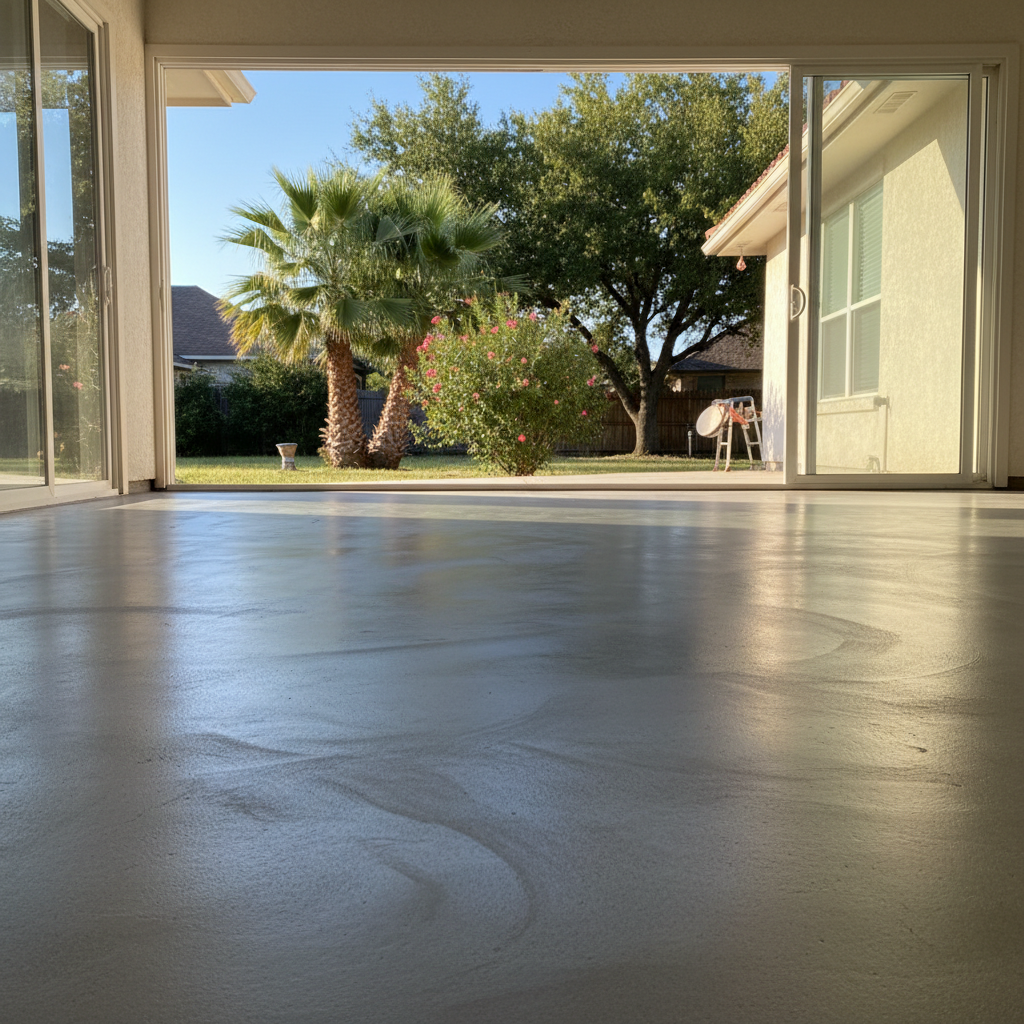
Running a business here in San Antonio? You've got plenty on your plate, I'm sure. The last thing you need is your commercial flooring giving up the ghost on you. But let's be honest, those floors take a beating – all that foot traffic, spills, and everything else that comes with a busy operation. You've put good money into them, so let's chat about how to make sure they last as long as possible and keep your place looking sharp.
Making Your Commercial Floors Last Longer
It's not exactly rocket science, but a lot of people just miss the basics. Think about it: your floors are the foundation of your business's whole look. A worn-out, dirty floor just gives off the wrong vibe, no matter how good your service is, right? Here's what I've seen make the biggest difference:
- Walk-off Mats are Your Best Friend: This one's huge, especially with our San Antonio weather. When it's dry and dusty, those mats grab grit before it gets tracked all over your place, acting like sandpaper on your floors. When it rains, they soak up moisture, which prevents slips and protects against water damage to wood or laminate. You want good, heavy-duty mats at every entrance, and ideally, they should be long enough for a few steps to really clean off shoes.
- Furniture Pads: Got chairs, tables, or display cases that move around? Stick felt or rubber pads on the bottom. Dragging furniture across vinyl, tile, or even concrete can cause scratches and scuffs that really build up over time. It's a cheap fix that saves you a lot of headache later.
- Clean Spills Fast: This seems obvious, but time is critical. Acidic spills (like soda or coffee) can etch certain types of tile or damage finishes if you leave them too long. Water can warp wood or seep into grout. Make sure your staff knows to clean spills immediately, using the right cleaning agent for whatever spilled and the type of flooring.
- Environmental Control: San Antonio's humidity can be a real beast, can't it? If you have wood flooring in your commercial space, keeping consistent indoor humidity levels is super important. Too dry, and wood can shrink and crack; too humid, and it can swell and buckle. A good HVAC system that controls humidity isn't just for comfort; it's actually protecting your flooring investment.
What Regular Maintenance Looks Like
This isn't just about making your floors look clean; it's about preserving them. Daily, weekly, and monthly tasks will change depending on your business type and how much traffic you get, but here's a general idea:
- Daily: Sweeping or vacuuming? Non-negotiable. Get rid of that loose dirt, dust, and grit before it gets ground into your flooring. For hard surfaces, a dust mop usually works best. For carpet, you'll want a good commercial-grade vacuum with strong suction.
- Weekly: Mop hard surfaces with a pH-neutral cleaner. Stay away from harsh chemicals that can strip finishes or leave a weird residue. For carpet, spot clean any visible stains.
- Monthly/Quarterly: Depending on how busy you are, you might need a deeper clean. For VCT (vinyl composition tile), this could mean stripping and waxing. For ceramic or porcelain tile, it might be a good grout cleaning. For commercial carpet, a professional hot water extraction (steam cleaning) can work wonders, especially after our dusty summers or muddy spring rains.
Remember, different flooring types need different care. What works for polished concrete won't work for commercial carpet, and vice-versa. Always use products specifically recommended for your flooring material.
Warning Signs You Can't Ignore
Your floors will tell you when something's wrong; you just have to know what to look for. Catching these issues early can save you a ton of money down the road.
- Excessive Wear Patterns: See a clear path worn down to the subfloor in high-traffic areas? That's a sign your protective finish is gone, and the flooring material itself is taking the abuse. This is common in places like restaurant aisles or retail checkout lines, for instance.
- Loose or Cracked Tiles/Planks: Whether it's ceramic, VCT, or LVT, a loose piece is a trip hazard and an open invitation for moisture and dirt to get underneath, causing bigger problems. Cracks can spread, too.
- Discoloration or Stains That Won't Budge: If your regular cleaning isn't cutting it, or you're seeing yellowing, darkening, or unexplained spots, it could be a sign of deeper issues – maybe a finish breaking down, or something seeping in from below.
- Water Damage: Look for warping, buckling, cupping (where the edges are higher than the center), or dark stains, especially near exterior doors or plumbing. Our heavy rains in San Antonio can sometimes lead to unexpected leaks, and you definitely don't want water sitting on or under your floors.
- Grout Deterioration: Crumbling or missing grout isn't just ugly; it lets water get to the subfloor, which can lead to mold, mildew, and even structural damage.
When to Call a Professional
Look, I'm a big believer in doing what you can yourself, but there are times you just need to bring in the pros. Here's when you should pick up the phone:
- Major Damage: If you've got widespread water damage, significant buckling, or large sections of flooring that are failing, don't try to patch it yourself. You'll likely just make it worse or cover up a bigger problem.
- Deep Cleaning Beyond Your Capabilities: If your floors look dull, dingy, or stained even after your best efforts, a professional cleaning service with specialized equipment can often restore them. This is especially true for commercial carpets or heavily soiled grout lines.
- Routine Refinishing/Restoration: For VCT, regular strip and wax cycles are essential to protect the floor and keep it looking good. For wood floors, a periodic screen and recoat can extend their life significantly before a full sand and refinish is needed. These are jobs best left to folks with the right tools and know-how.
- Safety Concerns: If your floors are becoming a slip hazard because of wear or damage, you need to address that immediately. That's a liability you really don't want.
- When You're Just Not Sure: If you're seeing warning signs and aren't sure what's causing them or how to fix them, it's always better to get an expert opinion. We at San Antonio Hardwood Floor Solutions deal with all kinds of flooring issues, and we can tell you what's going on and what your best options are.
Your commercial floors are a big part of your business's image and safety. Taking care of them isn't just about how they look; it's about protecting your investment and making sure your business runs smoothly. Don't let your floors become an afterthought.